REFER A FRIEND: GIVE $50, GET $50



Veneers vs Bonding: Which Actually Lasts Longer and Costs Less
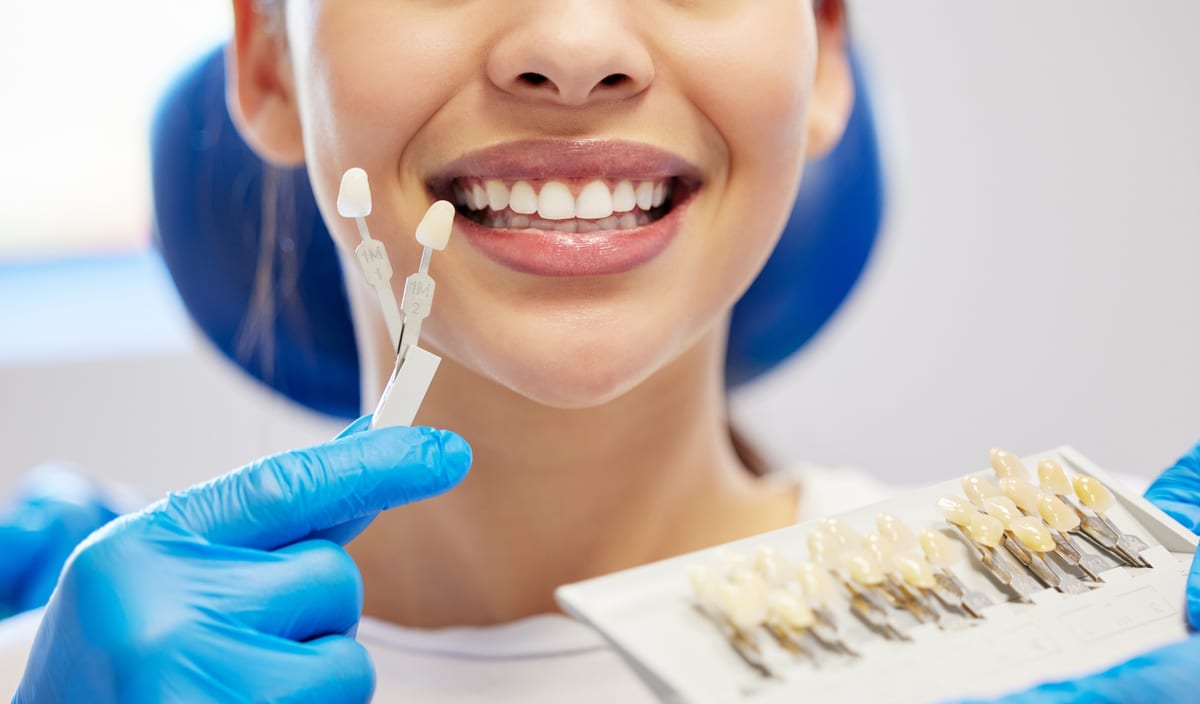
If you want a better-looking smile, you have options. Two of the most popular cosmetic treatments are veneers and dental bonding. Understanding veneers vs bonding — which actually lasts longer and costs less in The Woodlands — can save you time, money, and frustration. Dr. Jonathan Phan at The Woodlands Dentistry and Orthodontics helps patients make this decision every day. This guide breaks down both treatments so you can choose with confidence.
What Are Veneers and Dental Bonding?
Veneers are thin shells of porcelain or composite material. They bond permanently to the front surface of your teeth. Veneers cover stains, chips, gaps, and uneven shapes effectively. They require some removal of enamel to fit properly.
Dental bonding uses a tooth-colored resin applied directly to your tooth. A dentist sculpts and hardens the resin with a curing light. Bonding fixes minor chips, cracks, discoloration, and small gaps. It rarely requires enamel removal, making it far less invasive.
Both treatments fall under cosmetic dentistry. However, they differ significantly in cost, lifespan, and the concerns they address best. Choosing wisely depends on your specific smile goals and budget.
Veneers vs Bonding: Cost Comparison for The Woodlands Patients
Cost is often the first concern patients bring up. Dental bonding is generally the more affordable choice upfront. Bonding typically costs a few hundred dollars per tooth. Veneers can cost significantly more per tooth, depending on the material used.
Porcelain veneers tend to cost more than composite veneers. However, porcelain lasts longer and resists staining better. That longer lifespan can make porcelain veneers the better financial value over time. Think of it as a longer-term investment in your smile.
- Dental bonding: Lower upfront cost per tooth
- Composite veneers: Mid-range cost with moderate durability
- Porcelain veneers: Higher upfront cost but longer-lasting results
- Long-term value: Veneers often require fewer replacements over a decade
The Woodlands Dentistry and Orthodontics uses advanced Dental Technologies The Woodlands to help deliver precise, high-quality results for both treatments. Better technology means better outcomes and fewer follow-up visits.
Which Treatment Actually Lasts Longer?
Longevity is where veneers clearly pull ahead. Porcelain veneers typically last 10 to 20 years with proper care. Composite veneers usually last 5 to 10 years before needing replacement. Dental bonding, while effective, tends to last 3 to 7 years on average.
Bonding material is more prone to chipping and staining over time. It can dull or discolor from coffee, tea, and red wine. Porcelain veneers resist staining far better than bonding resin. They also hold their shape and color for many more years.
- Dental bonding lifespan: 3–7 years average
- Composite veneers lifespan: 5–10 years average
- Porcelain veneers lifespan: 10–20 years with good care
- Key factor: Daily habits like grinding teeth or biting nails reduce lifespan for both
If you want a solution that lasts and maintains its appearance, veneers are the stronger long-term choice. However, bonding works well for younger patients or those with minor corrections to make first.
How Invasive Is Each Treatment?
Invasiveness matters — especially if you prefer preserving natural tooth structure. Dental bonding is the clear winner here. It requires little to no enamel removal in most cases. The process is also fully reversible in many situations.
Veneers require your dentist to remove a thin layer of enamel permanently. This step is irreversible, which is an important commitment. Once you choose veneers, your teeth will always need to be covered. Patients should feel comfortable with that permanence before proceeding.
For patients with significant tooth damage or extensive cosmetic needs, veneers may still be the better choice despite being more invasive. Dr. Jonathan Phan evaluates each patient’s unique situation carefully. He recommends only what genuinely fits your dental health and goals.
Which Option Is Right for Your Smile Concern?
The right choice depends on the problem you want to solve. Bonding works best for small chips, minor cracks, or slight gaps. It is also a great first step for younger patients whose smiles are still developing. Results look natural and can be completed in one visit.
Veneers are better suited for patients with multiple concerns across several teeth. They deliver a dramatic, uniform smile transformation. If you have deep staining that whitening cannot fix, veneers are often the answer. They also correct shape and size issues that bonding cannot address as effectively.
Some patients in The Woodlands combine bonding on some teeth and veneers on others. A personalized consultation helps determine the best treatment plan. Missing teeth are a separate concern — if that applies to you, explore Dental Implants The Woodlands as another restorative option worth discussing.
What to Expect During Your Treatment
Knowing what happens during each procedure helps reduce anxiety. Both treatments are straightforward and typically comfortable. Here is a quick overview of each process.
Dental bonding steps:
- Your dentist selects a resin shade that matches your teeth
- The tooth surface is lightly etched for better adhesion
- Resin is applied, shaped, and sculpted by hand
- A curing light hardens the material in seconds
- Final polishing completes the process — usually in one visit
Veneer steps:
- A consultation and X-rays confirm candidacy
- A thin layer of enamel is removed from the tooth surface
- Impressions or digital scans are taken for lab fabrication
- Temporary veneers protect teeth during the waiting period
- Permanent veneers are bonded at a follow-up appointment
Bonding is faster and requires just one appointment in most cases. Veneers typically need two or more visits. Both options are available at The Woodlands Dentistry and Orthodontics under Dr. Jonathan Phan’s expert care.
Making Your Final Decision
There is no single right answer for every patient. Both veneers and bonding are effective cosmetic solutions with real advantages. Your decision should come down to your budget, your smile goals, and how long you want results to last. A skilled dentist helps you weigh all of those factors honestly.
Bonding offers affordability and minimal invasiveness. Veneers offer durability and a more dramatic transformation. The Woodlands Dentistry and Orthodontics is here to help you find the right fit. Dr. Jonathan Phan takes time to listen and recommend what truly serves your best interest.
Ready to explore your options and take the first step toward a smile you love? Book Now to schedule your appointment with our team.
Frequently Asked Questions
Is dental bonding a good alternative to veneers?
Yes, dental bonding is a strong alternative for minor cosmetic concerns. It works well for small chips, cracks, and slight gaps. It costs less and requires no enamel removal. However, it does not last as long as porcelain veneers and may stain more easily over time.
How long do veneers last compared to bonding?
Porcelain veneers typically last 10 to 20 years with proper care. Dental bonding usually lasts 3 to 7 years before needing touch-ups or replacement. Composite veneers fall in between at about 5 to 10 years. Your daily habits and oral hygiene significantly affect how long either treatment lasts.
Can veneers be done on just a few teeth?
Absolutely. Many patients choose veneers for just the most visible teeth. Your dentist can match veneers closely to adjacent natural teeth. Dr. Jonathan Phan customizes every treatment plan to suit the individual patient’s goals and tooth structure.
Does dental bonding look natural?
Yes, modern dental bonding looks very natural. The resin is carefully color-matched to your existing teeth. A skilled dentist sculpts it to blend seamlessly. Most people cannot tell the difference between bonded teeth and natural ones when done correctly.
How do I know which treatment is right for me?
The best way to decide is through a personalized consultation with Dr. Jonathan Phan. He will assess your teeth, discuss your smile goals, and review your budget preferences. Every patient has unique needs, and a one-size-fits-all approach rarely works in cosmetic dentistry.