REFER A FRIEND: GIVE $50, GET $50



Does Salt Water Help with Receding Gums?
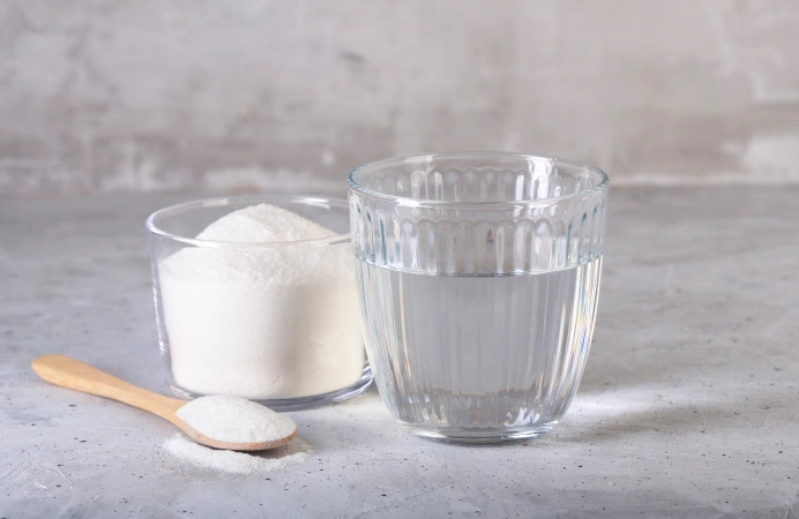
Gum recession is more common than many realize. It’s not just an issue of aesthetics—it can leave your teeth more exposed and sensitive, increasing the risk of decay and other oral problems. Among home remedies, salt water often gets recommended for various oral issues. But how much does it actually help when gums start pulling away from the teeth?
Let’s take a closer look at how salt water may support gum health and where its role begins and ends—when dealing with gum recession.
What Happens When Gums Recede
When gums start shrinking back from the teeth, more of the tooth surface—and sometimes the root—becomes exposed. This creates gaps where bacteria can collect, leading to increased plaque, sensitivity, and in severe cases, tooth loss.
Receding gums don’t grow back on their own. This makes early care essential. While poor oral hygiene is a leading cause, it’s not the only one. Brushing too hard, grinding teeth, hormonal changes, tobacco use, and genetic factors can all contribute to gum tissue loss.
Salt water is often suggested for oral care because of its cleansing properties. But can it really address this issue?
The Role of Salt Water in Oral Hygiene
Salt water has been used for centuries to promote healing and reduce inflammation. It’s easy to make at home—usually with a teaspoon of salt dissolved in a cup of warm water. Rinsing with this solution can offer short-term relief for several oral conditions.
Here’s how it supports general oral health:
- Reduces oral bacteria: Salt water helps create an environment where bacteria struggle to thrive.
- Soothes inflammation: It can calm irritated tissues, especially after dental procedures or during minor gum discomfort.
- Promotes healing: Its natural antiseptic qualities support tissue recovery in the early stages of gum irritation.
However, while it may relieve discomfort and help control bacteria, salt water alone won’t reverse gum recession.
Can Salt Water Help with Gum Recession?
Salt water has its benefits, but its role is more supportive than corrective. Receding gums involve tissue loss, and a rinse can’t regenerate what’s already gone.
What salt water can do:
- Minimize bacterial growth in exposed areas
- Soothe sore gums that may feel irritated
- Support healing after dental cleanings or procedures
What it cannot do:
- Regrow gum tissue
- Replace professional care
- Fix underlying structural damage
It’s useful as part of a bigger oral care plan, especially if your gums are inflamed or sensitive. But it’s not a cure.
Midway through the treatment journey, many patients explore various approaches. Some opt for gum disease treatment in The Woodlands to address active infection and inflammation before further gum loss occurs. Professional intervention is often necessary when the recession is linked to advanced periodontal issues.
When to Be Concerned About Gum Recession
Mild gum recession can be easy to miss. You may not notice changes until your teeth start to look longer or you feel increased sensitivity near the gumline. Here are signs that need immediate attention:
- Bleeding while brushing or flossing
- Persistent bad breath
- Exposed tooth roots
- Shifting or loosening of teeth
- Pain when consuming hot or cold foods
Ignoring these signs can lead to further gum loss and bone damage. A salt water rinse won’t stop the underlying cause. That’s why timely dental care makes a major difference.
Ways to Support Gum Health Beyond Salt Water
While salt water offers support, lasting results require consistent and strategic care. Here are ways to maintain and improve your gum condition:
- Use a soft-bristled toothbrush to prevent abrasion
- Floss daily to remove plaque between teeth and under the gumline
- Switch to a gum-care toothpaste with anti-inflammatory ingredients
- Stay hydrated to keep your mouth moist and wash away bacteria
- Limit sugar and tobacco use which can speed up gum damage
Routine visits to a dental professional help track any early signs of gum changes. Cleanings go deeper than your toothbrush can reach and can prevent buildup that worsens recession.
Professional Treatments That Make a Difference
Salt water may help with minor gum inflammation, but true gum repair requires more advanced care. Depending on the extent of the recession, dental professionals may suggest:
- Scaling and root planing to clean below the gumline
- Gum grafting to cover exposed roots and restore gumline appearance
- Laser therapy to reduce bacteria and stimulate tissue regeneration
- Customized splints or night guards if grinding contributes to gum loss
Each case is different. Some people only need basic cleanings and minor changes, while others require more comprehensive treatment plans.
Salt water is a helpful addition to any oral care routine. It can reduce bacteria, calm inflamed gums, and encourage healing after cleanings or surgeries. But it’s not a substitute for targeted care if you’re dealing with receding gums.
Think of it as a daily rinse that supports, not solves. The real fix involves understanding what’s causing the recession and choosing the right professional solution. A combination of good hygiene, healthy habits, and the right dental support will do more for your gums than any home remedy can manage alone.