REFER A FRIEND: GIVE $50, GET $50



Dental Implants for Seniors: How They Can Improve Quality of Life
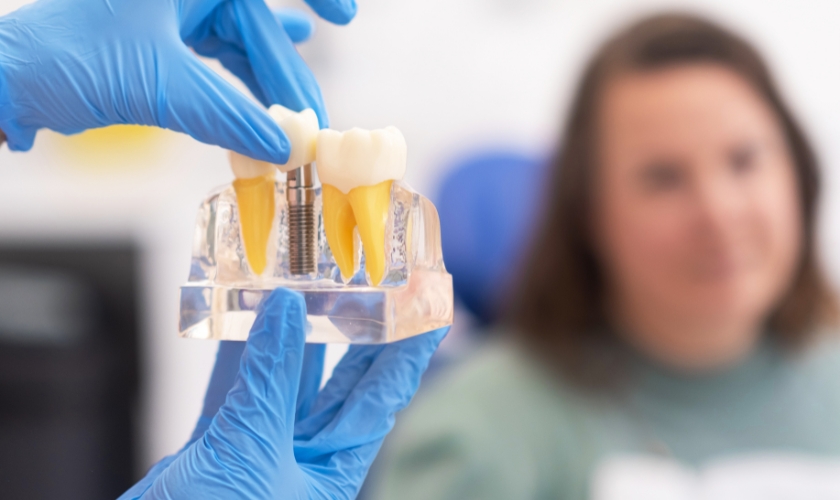
As we age, maintaining good oral health becomes increasingly important. For many seniors, missing teeth or ill-fitting dentures can lead to various challenges. Fortunately, dental implants provide a long-lasting solution that can significantly improve the quality of life. In this blog, we’ll explore how dental implants can benefit seniors, restoring function and confidence.
1. Improved Comfort and Function
For seniors, dentures can often be uncomfortable. They may slip, causing discomfort while eating or speaking. Dental implants in The Woodlands, on the other hand, provide a more stable and permanent solution. Unlike dentures, implants are anchored directly into the jawbone, eliminating the need for adhesives or constant adjustments. This stability makes eating, speaking, and smiling much more comfortable, allowing seniors to enjoy their favorite foods and engage in social activities without worry.
2. Enhanced Confidence
Missing teeth or poorly fitting dentures can lead to embarrassment and self-consciousness, especially when smiling or speaking. Dental implants can restore a natural, beautiful smile. Implants look like natural teeth so seniors can feel confident in their appearance. Whether it’s a casual conversation with family or a dinner with friends, having a complete set of teeth can help seniors feel more self-assured and enjoy life without holding back.
3. Prevention of Bone Loss
When teeth are lost, the underlying jawbone can begin to deteriorate. This happens because the bone no longer receives stimulation from the tooth roots. Over time, this can lead to further tooth loss and changes in facial structure. Dental implants help prevent this bone loss. The titanium post used in implants integrates with the bone, providing the stimulation needed to maintain healthy bone structure. Dental implants can help preserve facial appearance and prevent additional oral health issues by avoiding bone loss.
4. Easier Maintenance than Dentures
Traditional dentures require special care and regular cleaning to avoid damage or infection. Seniors must also be careful with their dentures while eating to prevent breakage. With dental implants, the care process is more straightforward. They function like natural teeth, so brushing and flossing are all needed to keep them clean and healthy. This makes dental implants a more convenient and hassle-free option for seniors looking to improve their oral hygiene routine.
5. Better Oral Health
When teeth are missing, the remaining natural teeth often shift to fill the gap. This can cause misalignment, leading to difficulties chewing, speaking, or maintaining good oral hygiene. Dental implants prevent this problem by providing a permanent solution that maintains the integrity of the rest of the teeth. Because they do not rely on surrounding teeth for support, dental implants help preserve the health of the remaining teeth. This can result in fewer visits to the dentist for repairs and treatments, leading to long-term oral health benefits.
6. Improved Overall Health
Dental implants don’t just benefit your mouth—they can also have a positive impact on your overall health. Seniors may eat softer, less nutritious foods without the ability to chew correctly, leading to poor diet and nutrition. With dental implants, seniors can bite and chew normally, making eating a well-balanced diet rich in essential nutrients easier. Proper oral health is also linked to a lower risk of cardiovascular disease, diabetes, and other systemic health conditions.
Restore Confidence and Comfort with Dental Implants
Dental implants offer numerous benefits for seniors, improving comfort, function, and confidence. They help prevent bone loss, simplify daily oral hygiene, and support overall health. Dental implants could be the solution you’ve been looking for if you’re a senior struggling with missing teeth. They restore not only your smile but also your quality of life. Consult a qualified dentist today to see if dental implants suit you.