REFER A FRIEND: GIVE $50, GET $50



How Do I Care for My Snap‑In Implant Dentures Daily?
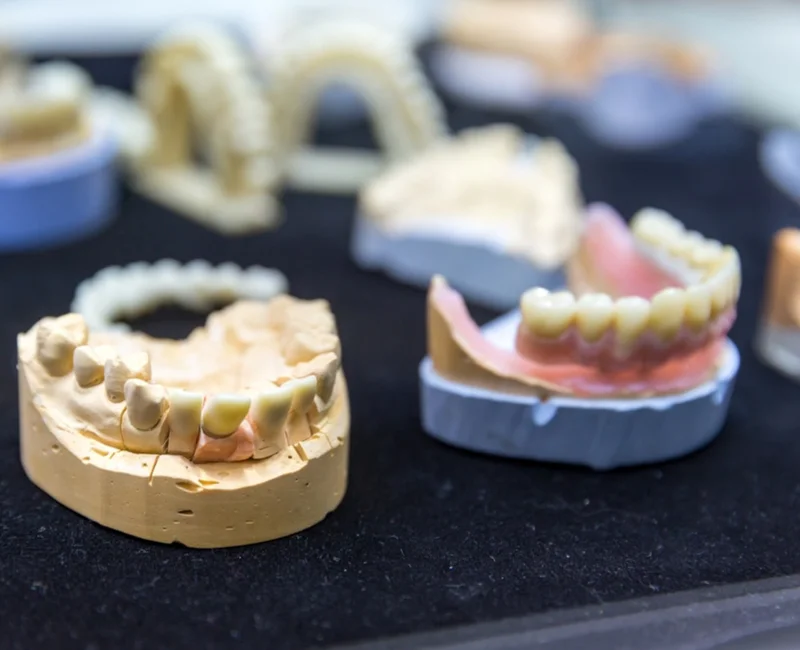
Getting snap-in implant dentures is a step toward a confident smile. But the work doesn’t stop once you leave the dental chair. What you do at home every day directly affects how long your restoration lasts, how healthy your gums remain, and whether the implants themselves continue to thrive.
The good news? Daily care is simple once you know what to do and why it matters.
What Makes Snap-In Implant Dentures Different
Traditional dentures sit on your gums. They move around, can slip at the worst moments, and don’t do much to protect the underlying jawbone. Snap-in implant dentures attach to titanium implants anchored in your jawbone, giving you a level of stability that conventional dentures simply can’t match.
They connect to two to six implants per jaw and can help reduce further bone loss – something traditional dentures can’t do. Because they’re removable for cleaning, they also give you a hygiene advantage over fully fixed restorations. That combination of stability and accessibility is exactly what makes daily maintenance both important and manageable.
Why the Cleaning Routine Matters So Much
Implants don’t decay the way natural teeth do. But that doesn’t mean they’re maintenance-free. The gum tissue and bone surrounding each implant post are still vulnerable to infection. When plaque builds up around the attachments, it can trigger a condition called peri-implantitis (inflammation around the implant) that, if left unchecked, can lead to implant failure. That’s not meant to alarm you. It’s just the honest reason why a consistent daily routine makes such a difference.
Your Daily Cleaning Routine, Step by Step
Remove Your Dentures at Night
Snap-in implant dentures should be removed and cleaned daily to remove food particles and plaque, and it’s a good idea to take them out when you sleep to let your gum tissue recover. This nightly rest period isn’t just about hygiene – it gives the soft tissue underneath a chance to breathe and stay healthy. Wearing them around the clock, every day, puts unnecessary pressure on your gums and can accelerate wear on the attachment components.
Brush the Denture Itself
Once removed, brush the denture thoroughly using a soft-bristled toothbrush and a non-abrasive denture cleaner. Standard toothpaste is too gritty and can scratch the surface over time, creating tiny grooves where bacteria love to hide. Pay close attention to the underside of the denture and the attachment area – those locator connectors that snap onto the implants need to be free of buildup to function properly.
- Use a separate brush dedicated only to your dentures
- Rinse the denture under lukewarm water before brushing
- Avoid hot water, which can warp the acrylic base
- Store the denture in clean water or a denture-soaking solution overnight
Clean Around the Implant Posts
This step is where many people fall short, and it’s arguably the most important part of the whole routine. With your dentures out, use a soft toothbrush or an interdental brush to clean directly around each implant post at the gumline. An interdental brush or water flosser works well for cleaning around the implants. A water flosser is particularly useful here because it can flush out debris in areas a brush can’t easily reach.
Think of the implant posts as you would the roots of natural teeth. They need consistent, thorough attention.
Rinse Your Mouth
After brushing the implant sites, rinse with an alcohol-free antimicrobial mouthwash. Alcohol-based rinses can dry out the oral tissues, which isn’t ideal, especially for areas still adjusting to the presence of implants. A gentle, antimicrobial formula helps reduce bacteria in the whole oral environment without irritating the gums.
What to Watch Out For
Daily care also means staying attuned to how your mouth feels. A few things need attention to:
- Soreness or swelling around an implant site that doesn’t resolve after a day or two
- A loose or wobbly feel when the denture is snapped in signals wear on the attachment inserts, which are designed to be replaced periodically
- Unusual clicking or difficulty snapping the denture in can indicate the attachment has shifted or worn down
- Persistent bad breath despite thorough cleaning – this can be a sign of trapped bacteria in an area you’re missing
None of these are emergencies, but all of them are worth a call to your dentist.
How Often to See Your Dentist
Visiting periodically to replace worn inserts and check fit is part of regular professional maintenance for snap-in overdentures. At Woodlands Dentistry & Orthodontics in The Woodlands, TX, your care team monitors the health of the implant sites, checks attachment wear, and makes any necessary adjustments before small issues become bigger problems. Routine visits typically happen every six months, though your dentist may recommend a different schedule based on your specific case.
Foods and Habits That Affect Longevity
Snap-in implant dentures handle a wider range of foods than traditional dentures, but that doesn’t mean anything goes. Chewing ice, hard candies, or very sticky foods can put stress on both the denture and the attachment components. It’s not about restriction – it’s about being thoughtful. Most people adjust naturally without feeling like they’re giving anything up.
If you grind your teeth at night, mention it. Nightguards are recommended for grinders to protect the prosthesis and the implants. A custom nightguard is a small investment that can significantly extend the life of your restoration.
Smoking is worth addressing directly as well. It impairs healing, reduces blood flow to the gum tissue, and is one of the strongest risk factors for implant failure. If quitting isn’t possible right away, cutting back and being especially diligent with your cleaning routine can help mitigate some of the risk.
How Long Do They Last With Proper Care?
With proper care, the implants supporting snap-in dentures can last a lifetime, while the denture needs to be replaced every five to eight years. That’s a reasonable timeline given how much work they do daily. The attachment inserts (those small nylon or metal components that create the snap) need to be swapped out every one to two years, depending on use.
Dental implants, when installed correctly and properly maintained, can keep you smiling for at least 25 years. Your daily habits are the single biggest factor in whether you reach that milestone.
The team at Woodlands Dentistry & Orthodontics in The Woodlands, TX, is here to help you maintain your restoration and feel confident in your daily routine. Call us today or request an appointment online.
People Also Ask
Can I use regular toothpaste to clean my snap-in dentures?
Regular toothpaste is too abrasive for denture acrylic and can cause microscopic scratches over time. These scratches harbor bacteria and dull the surface. Use a non-abrasive denture cleaner or mild soap instead to keep the material intact and hygienic.
How do I know when the attachment inserts need to be replaced?
The most common sign is a looser fit – the denture may not snap in as firmly as it used to, or you’ll notice slight movement when chewing or speaking. Your dentist can confirm this during a routine visit and quickly swap the inserts, usually in the same appointment.
Can I sleep with my snap-in dentures in occasionally?
Occasional exceptions happen, but sleeping with them regularly isn’t recommended. The gum tissue needs nightly rest from the pressure. Consistent overnight wear increases the risk of soft tissue irritation and can accelerate wear on the implant attachments.
Is a water flosser enough, or do I still need to brush around the implants?
A water flosser is excellent for flushing debris, but it doesn’t replace brushing. Use both. An interdental brush removes the biofilm clinging to the implant post surfaces more effectively than water pressure alone. Together, they give you thorough coverage.
What should I do if my denture won’t snap in properly?
Don’t force it. Something may have shifted – either the attachment insert is worn, or the denture base has changed. Contact your dental provider to evaluate the fit before continuing to use it. Forcing a misaligned denture can unnecessarily stress the implants.