REFER A FRIEND: GIVE $50, GET $50



Is a Chipped Tooth a Dental Emergency? A Guide for The Woodlands Residents
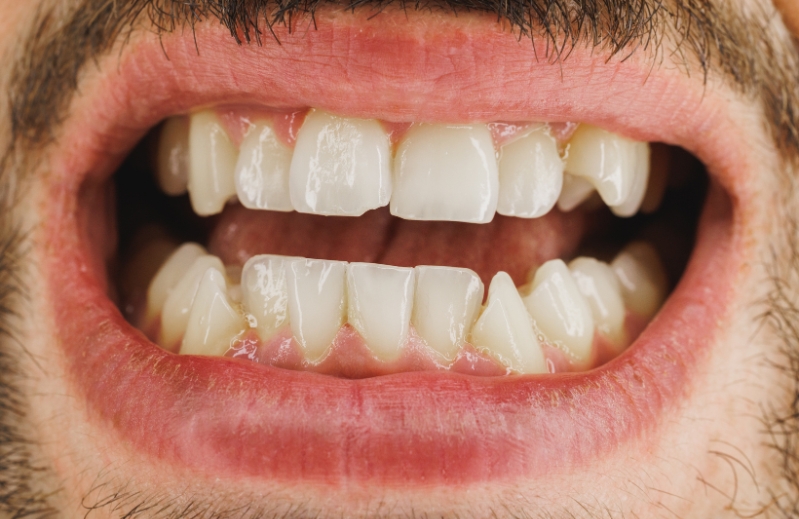
Chipped a tooth and not sure if you need to run to the dentist? That’s a common worry for locals in The Woodlands, TX, and one that deserves some closer look. A chipped tooth can be alarming and uncomfortable, but it doesn’t always require a visit to the dentist. Knowing when a chipped tooth is a dental emergency can help you do the right things for your oral health. In this guide, we’ll break down what makes a dental emergency and how to react so that you can decide wisely about your treatment. If you’re seeking an emergency dentist, read on to find out when you need to see a professional.
What Happens When You Chip Your Tooth?
When you chip your tooth, it’s usually the result of some type of impact, whether it’s from biting into something hard, a fall, or even an accident. Although it’s a common injury, it can vary from a minor, hardly noticeable chip to a much larger break that induces pain and exposes the vulnerable parts of the tooth. The severity of the chip will determine how quickly you need to seek treatment.
A small chip, especially if it’s not painful or sensitive, might not be an emergency. But a larger chip or fracture, particularly if it causes pain or affects the tooth’s structure, may be considered a dental emergency.
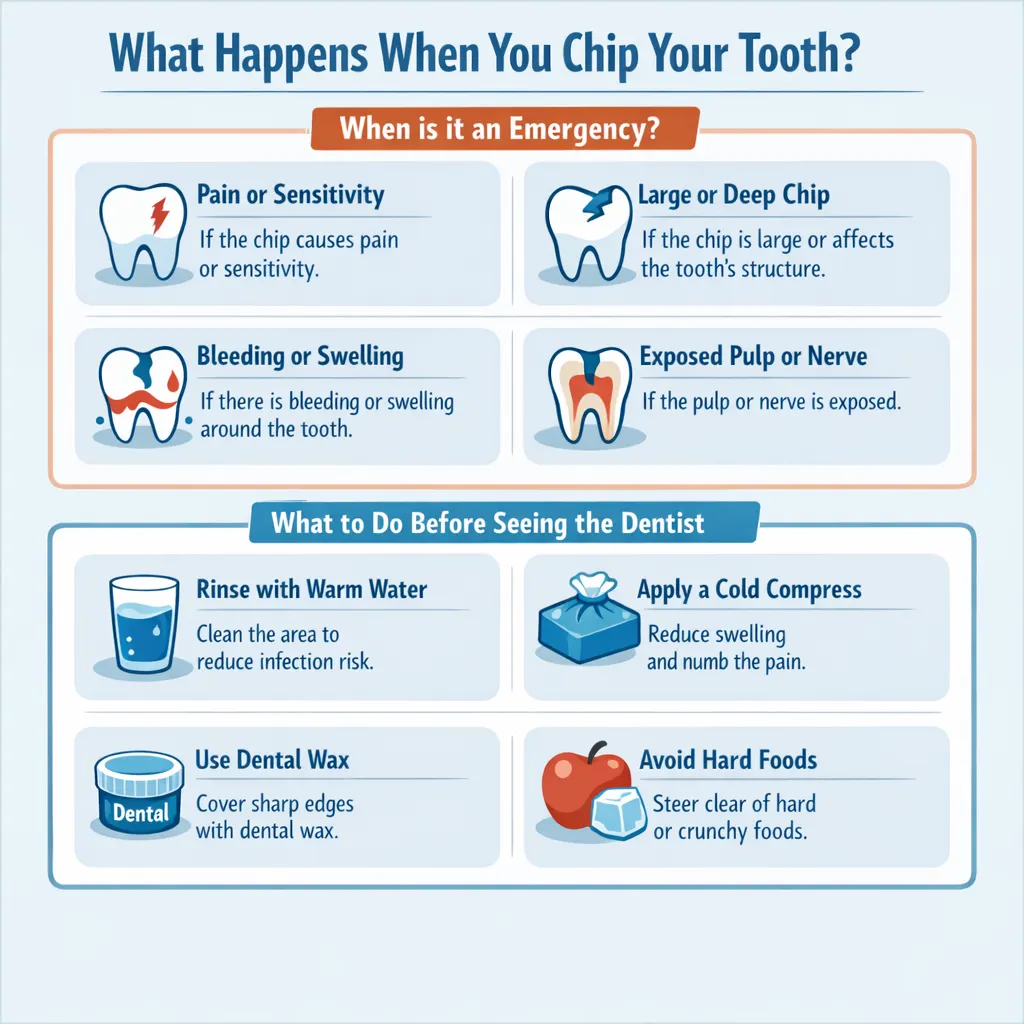
When Is a Chipped Tooth Considered an Emergency?
For example, a chipped tooth is generally not an emergency if it’s small, doesn’t hurt, and the structural integrity of the tooth hasn’t been compromised. But a few things can make a chipped tooth into a dental emergency in need of an emergency dentist in The Woodlands.
1. Pain or Sensitivity
- If you experience pain after chipping your tooth, it may be because the chip has exposed the tooth’s sensitive inner layers. When this occurs, you should see a dentist as soon as possible to avoid additional damage and pain.
2. Large or Deep Chip
- A large chip that compromises the tooth’s structure may affect your ability to chew, speak, or even cause discomfort. In those cases, urgent dental care is necessary to prevent the tooth from fracturing deeper or becoming infected.
3. Bleeding or Swelling
- If the chipped tooth results in bleeding from the gums or surrounding tissues, or if there’s swelling in the area, you may need immediate care to control the bleeding and prevent infection.
4. Exposed Pulp or Nerve
- A significant chip that exposes the pulp (the inner tissue of the tooth) or the nerve requires urgent care. This can cause infection and, if left untreated, lead to a root canal or even tooth removal.
If you observe any of the aforementioned symptoms, it’s time to call an emergency dentist in The Woodlands. If caught early, it could save your tooth.
How to Handle a Chipped Tooth Before Seeing the Dentist
Of course, you need professional care, but there are a couple of things you can do right away to ease pain or protect the chipped tooth until you can get to the dentist.
1. Rinse with Warm Water
- Gently rinse your mouth with warm water to clean the area and remove any debris. This can reduce the risk of infection.
2. Apply a Cold Compress
- If there’s swelling, apply a cold compress to the outside of your mouth. This will help keep the swelling down and numb the pain until you are treated.
3. Use Dental Wax
- If the chip has created a jagged edge, dental wax or over-the-counter dental cement can be applied temporarily to protect the area from further damage or irritation.
4. Avoid Hard Foods
- Avoid chewing on the affected side of your mouth, and avoid hard foods or ice that may further damage the tooth or aggravate pain.
How an Emergency Dentist Can Help
Woodlands emergency dentists specialize in treating urgent dental issues, such as a chipped tooth. Depending on how deeply the chip goes, here are some treatment options your dentist may suggest:
- Dental Bonding: For small chips, your dentist may use tooth-colored resin to bond the tooth back together, restoring its appearance and strength.
- Veneers or Crowns: For bigger chips that impact the tooth’s structure, a veneer or crown can be placed to protect the tooth and restore its function.
- Root Canal Treatment: If the pulp is exposed, a root canal might be necessary to remove the infected tissue and prevent further damage.
- Extraction: In extreme cases where the tooth cannot be saved, extraction may be necessary, followed by options such as dental implants or bridges to restore the smile.
Conclusion: Don’t Wait—Get the Right Care for Your Chipped Tooth
A chipped tooth doesn’t necessarily warrant a trip to the emergency room, but it is important to recognize when you need help. If the chip is large, painful, or located in a sensitive area, you need to reach out to an emergency dentist in The Woodlands immediately. Immediate care stops the spread of harm and helps you maintain your smile.
If you’ve cracked a tooth or are experiencing any dental emergency, give The Woodlands Dentistry and Orthodontics a call for prompt, empathetic treatment. We’re here to help you reclaim your smile. Schedule an appointment today!
Common Questions About Chipped Tooth and Dental Emergencies
What should I do if I chip my tooth and it’s not painful?
If the chip is minor and not painful, monitor the tooth for any changes. If it worsens, contact your dentist for advice.
Can a chipped tooth heal on its own?
No, a chipped tooth cannot heal by itself. You’ll need professional dental care to restore the tooth and prevent further damage.
How long can I wait to fix a chipped tooth?
It’s best to see a dentist within a few days to avoid infection or further damage. If there is pain or swelling, seek immediate care.
Is a chipped tooth considered a dental emergency?
A chipped tooth can be an emergency if it causes pain, bleeding, or exposes the tooth’s pulp. If these symptoms occur, contact an emergency dentist right away.