REFER A FRIEND: GIVE $50, GET $50



Braces Candidacy in The Woodlands, TX
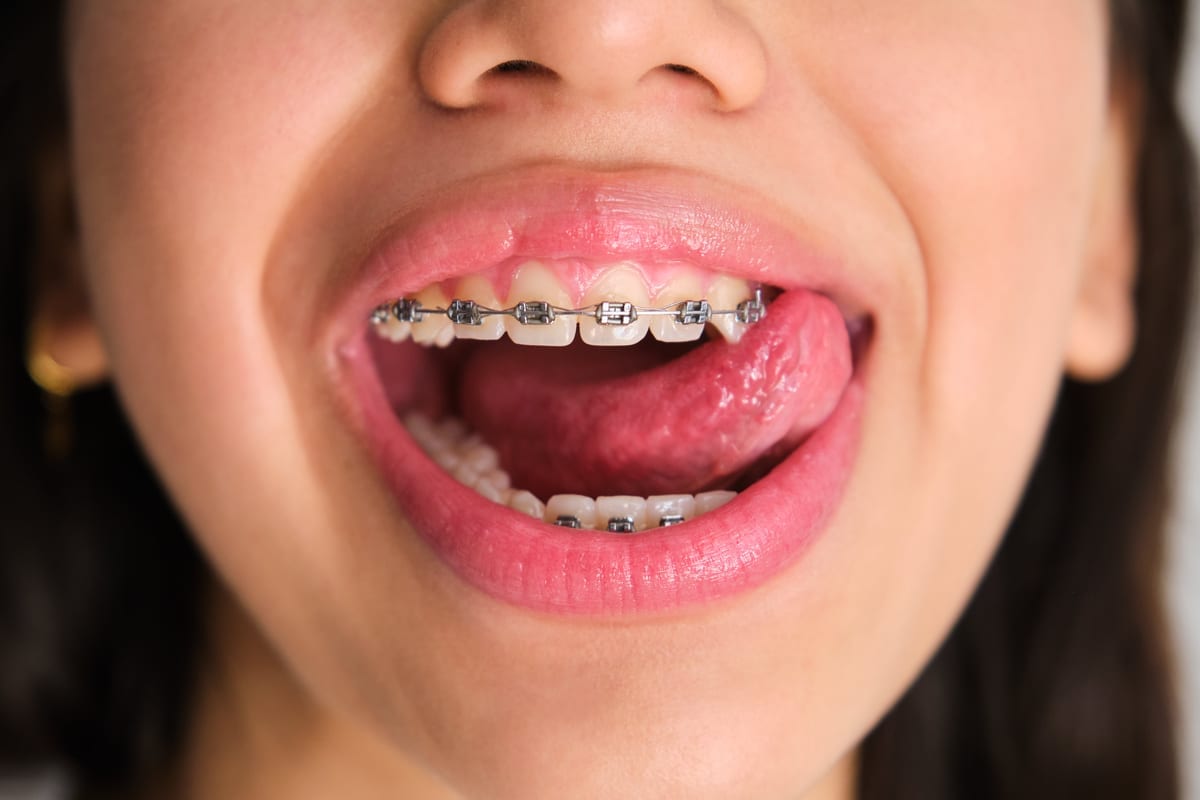
If you’ve been wondering who actually qualifies for braces, you’re not alone. Many patients in The Woodlands ask this exact question before scheduling a consultation. The answer depends on several personal factors — not just the appearance of your teeth. At The Woodlands Dentistry and Orthodontics, Dr. Jonathan Phan helps patients understand their candidacy clearly and confidently.
This guide covers what the evaluation involves, which conditions braces can address, and what factors determine the best treatment approach for you.
Who Actually Qualifies for Braces in The Woodlands?
Braces are not just for teenagers. Patients of nearly any age can qualify — provided their teeth and gums are healthy enough. Orthodontic treatment works by applying consistent pressure to gradually shift teeth into alignment.
Most commonly, candidates fall into one of these groups:
- Children and teens with developing bites and crowded teeth
- Adults with longstanding alignment issues they never treated
- Patients who had braces before but experienced relapse
- Those with jaw-related concerns affecting bite function
The key starting point is a thorough evaluation. Without one, it’s impossible to say with certainty whether you qualify or which type of orthodontic treatment fits your situation best.
Common Dental Conditions That Make You a Good Candidate
Braces treat a wide range of orthodontic issues. Some are purely cosmetic. Others affect how you chew, speak, or care for your teeth daily.
You may be a strong candidate if you have any of the following:
- Crowded teeth — teeth overlap or have no room to sit properly
- Gaps between teeth — spacing issues that affect appearance and function
- Overbite — upper teeth extend too far over the lower teeth
- Underbite — lower teeth sit in front of the upper teeth
- Crossbite — upper and lower teeth don’t meet symmetrically
- Open bite — front teeth don’t touch when the mouth is closed
Each condition responds differently to treatment. Dr. Phan evaluates the severity of your concern before recommending a specific approach. Mild crowding may resolve faster than a significant bite misalignment.
What the Candidacy Evaluation Actually Involves
Many patients feel uncertain about what happens at a first orthodontic appointment. The evaluation is straightforward and completely non-invasive. It gives both you and your provider a clear picture of your current oral health.
Here’s what you can typically expect during a candidacy evaluation at our practice:
- Visual examination — Dr. Phan reviews the position of your teeth, jaw alignment, and bite pattern
- Digital X-rays — imaging helps assess tooth roots, bone levels, and jaw structure
- Photographs or impressions — these capture your current bite for treatment planning
- Discussion of goals — you share what you want to achieve, and Dr. Phan explains realistic outcomes
- Treatment recommendation — based on findings, he outlines your best candidacy path
The evaluation typically takes less than an hour. You leave with a clearer understanding of your options and what treatment timeline looks realistic for your situation.
Factors That Influence Your Candidacy and Treatment Plan
Not everyone qualifies for the same type of orthodontic treatment. Several factors influence which approach fits your needs and your timeline.
Age plays a role, but it doesn’t disqualify anyone outright. Children benefit from early intervention because their jaw bones are still forming. Adults can still achieve excellent results — treatment may simply take longer.
Gum and bone health matters significantly. If you have active gum disease or significant bone loss, those issues need treatment first. Applying orthodontic pressure to a compromised foundation can worsen existing problems.
Severity of misalignment affects which tools work best. Traditional metal braces handle complex cases well. Clear aligners work effectively for mild to moderate issues in compliant patients. Severe jaw discrepancies may require a combined approach.
Patient commitment is also part of candidacy. Orthodontic treatment requires consistent follow-through — wearing aligners for the recommended hours, attending check-ins, and maintaining oral hygiene throughout. Dr. Phan discusses these expectations openly so you can make an informed choice.
What If You’re Not Quite Ready for Braces Yet?
Some patients arrive for a consultation and discover they need preparatory care first. This is actually very common — and it doesn’t mean braces are off the table. It means the path to a great outcome starts with building a healthy foundation.
Preparatory steps might include:
- A professional teeth cleaning to address plaque and tartar buildup
- Treatment for cavities or early decay
- Gum disease management before applying orthodontic pressure
- Tooth extraction in cases of severe crowding where space is needed
The Woodlands Dentistry and Orthodontics offers all of these services under one roof. Patients don’t need to visit multiple providers before starting treatment. Dr. Phan coordinates your full care plan from the initial evaluation through treatment completion.
Candidacy for Braces in The Woodlands: Making the Right Choice for Your Smile
Understanding your candidacy is the first step toward a healthier, straighter smile. The process isn’t complicated, but it does require an honest assessment of your current oral health and your treatment goals.
Dr. Jonathan Phan and the team at The Woodlands Dentistry and Orthodontics take time to walk every patient through their evaluation results. You’ll never leave with unanswered questions or pressure to commit on the spot. The goal is always patient education first.
Whether you’re a parent exploring options for your child or an adult finally ready to address long-term alignment concerns, the right time to ask questions is now. Book Now to schedule your appointment with our team.
Frequently Asked Questions
At what age should a child first be evaluated for braces?
The American Association of Orthodontists recommends an initial evaluation around age seven. At this age, Dr. Phan can identify developing issues early — even if treatment doesn’t begin immediately. Early evaluation allows for better planning and sometimes simpler intervention later.
Can adults qualify for braces even if they never had them as a child?
Yes, adults absolutely qualify for orthodontic treatment. Teeth can be moved at any age as long as the gums and supporting bone are healthy. Many adults in The Woodlands successfully complete treatment with both traditional braces and clear aligner options.
Does having a few missing teeth affect braces candidacy?
Missing teeth can complicate orthodontic treatment, but they don’t necessarily disqualify you. In some cases, braces help create or hold space for future dental implants. Dr. Phan evaluates your specific situation and coordinates a plan that accounts for any missing teeth.
How long does orthodontic treatment typically take once you qualify?
Treatment length varies based on the severity of your case and the type of treatment used. Mild cases may resolve in 12 months. More complex alignment issues can take 18 to 36 months. Dr. Phan provides a realistic timeline estimate during your candidacy evaluation.
What’s the difference between traditional braces and clear aligners for candidacy purposes?
Traditional braces work well for complex bite issues and cases requiring precise control. Clear aligners are effective for mild to moderate misalignment in patients who can commit to wearing them consistently. Dr. Phan recommends the option that fits your specific clinical needs — not simply your preference.